Publish Date:2025-05-30 00:00:00
Many people believe that osteoporosis is a disease that only affects the elderly and postmenopausal women.
However, it is increasingly observed clinically that many young and middle-aged individuals, despite their young age, are prone to back pain, brittle bones, and even fractures from minor bumps, which upon examination, are diagnosed as osteoporosis.
Tracing back to the root, a large part of the problem lies in the thyroid. Hyperthyroidism and hypothyroidism, if not controlled properly for a long time, can become invisible drivers of osteoporosis.
Excessive thyroid hormone can directly disrupt the normal metabolism of bones. Our bones undergo daily destruction of old bone and formation of new bone, maintaining a dynamic balance. However, in hyperthyroidism, this balance is completely disrupted:
1. Bone destruction significantly outweighs bone formation
An excess of thyroid hormone can lead to excessive activity of osteoclasts and rapid bone loss.
2. Affect vitamin D synthesis, leading to poor calcium absorption
Vitamin D is a "calcium supplement assistant", and hyperthyroidism can lead to insufficient synthesis of it, making it difficult to absorb calcium even if it is ingested.
3. Accompanied by diarrhea, it further exacerbates calcium loss
Many patients with hyperthyroidism are prone to diarrhea, have poorer absorption of nutrients and minerals, and are at a higher risk of osteoporosis.
People who have undergone thyroid cancer surgery should also pay special attention.
To prevent recurrence after surgery, it is often necessary to take thyroid hormone to maintain the function in a slightly hyperactive state. This "artificial hyperthyroidism" also increases the risk of osteoporosis.
Many people are puzzled: how can hypothyroidism, which is the opposite of hyperthyroidism, also harm bones?
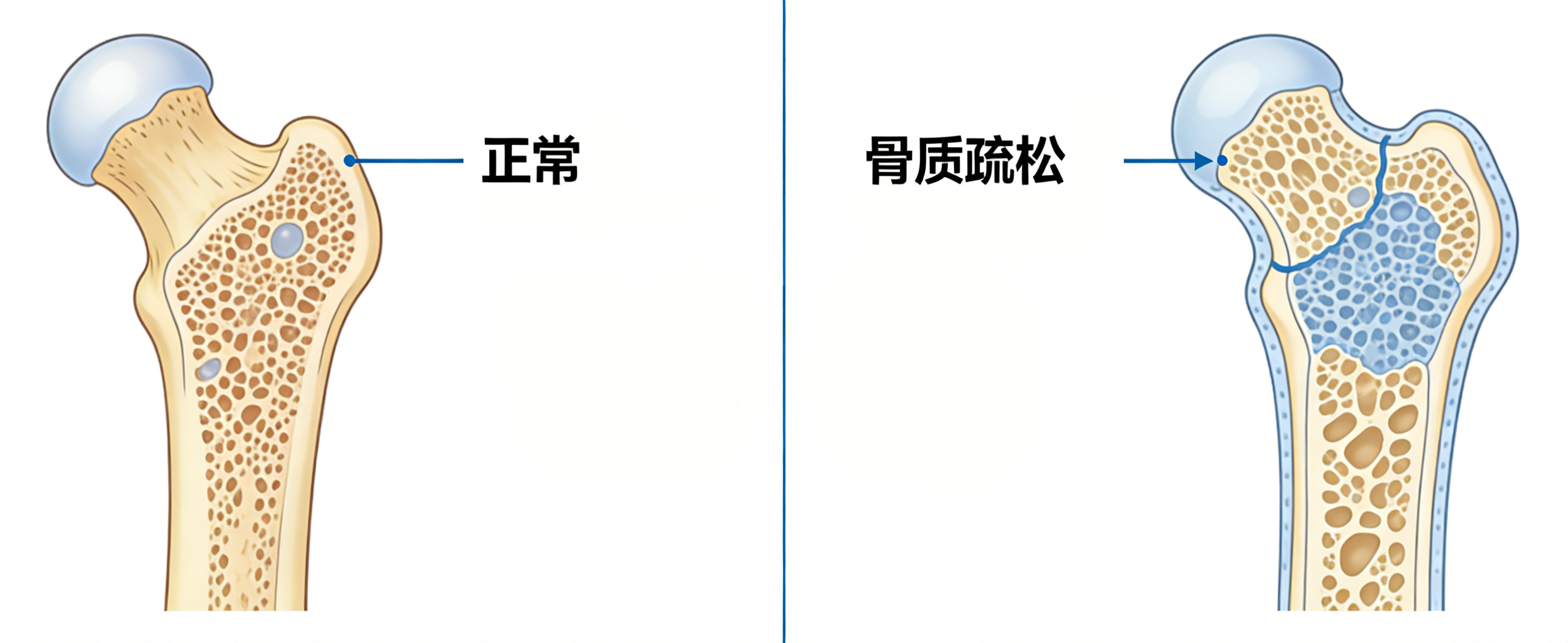
The truth is: if hypothyroidism is not controlled for a long time, the whole body's metabolism slows down, and the bone metabolism also "slows down". Although destruction and generation seem to be balanced, aging bone tissue cannot be updated in a timely manner, leading to a decline in bone quality and the same symptoms such as osteoporosis, bone pain, and increased susceptibility to fractures.
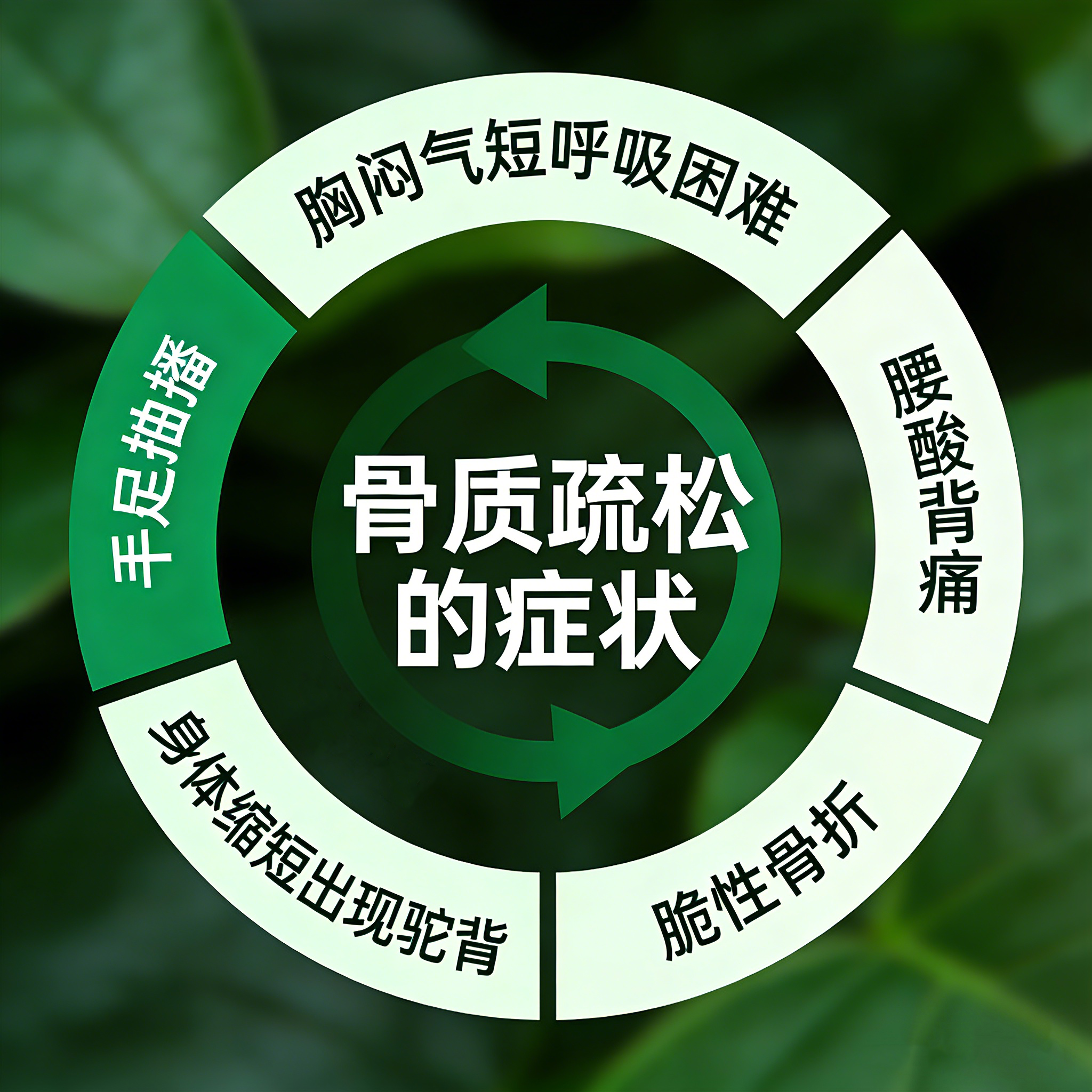
Osteoporosis often presents no obvious symptoms in its early stages, and many people only discover it after suffering a fracture. If you experience the following conditions, it is recommended to check your bone density and thyroid function as soon as possible: lower back pain, generalized bone pain, decreased height, hunchback, fractures from minor bumps, long-term hyperthyroidism/hypothyroidism, and unstable control.
If osteoporosis is clearly caused by hyperthyroidism or hypothyroidism, it is necessary to regulate thyroid function on one hand, and scientifically supplement calcium and protect bones on the other.
Especially for patients who have undergone hyperthyroidism surgery, those who have difficulty swallowing and can only eat liquid food, people with sensitive intestines and stomachs, and those who are prone to constipation and abdominal distension,
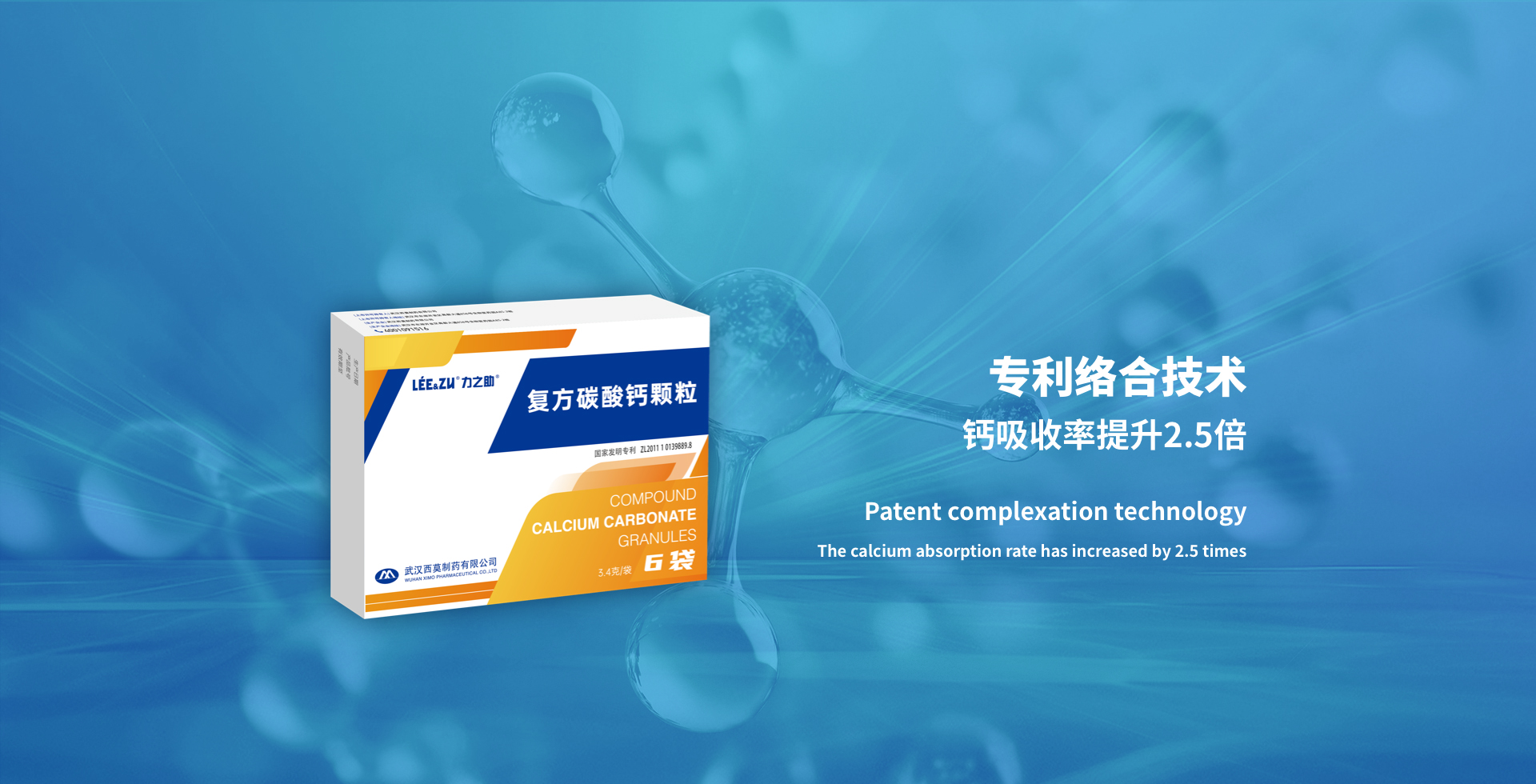
When choosing a calcium supplement, it is important to pay attention to factors such as good solubility, easy absorption, mildness without irritation, and not adding to the burden on the gastrointestinal system. For example, Lizhizhu compound calcium carbonate granules are a good choice.
The thyroid gland is not merely a "metabolic organ", but also an important switch for bone health.
· Hyperthyroidism: Rapid bone resorption → osteoporosis
· Hypothyroidism: Slow bone metabolism → osteoporosis
· Post-thyroidectomy: Long-term medication → bone protection is also necessary
Don't wait until you suffer a fracture to take care of yourself. Early thyroid examination and bone care are the true way to be responsible for yourself.